


Forex vs Futures Prop Firms: Which Should You Choose in 2026
Forex and futures prop firms run on different rules, different platforms, and different risk models. Here's how to decide which path fits your trading style.


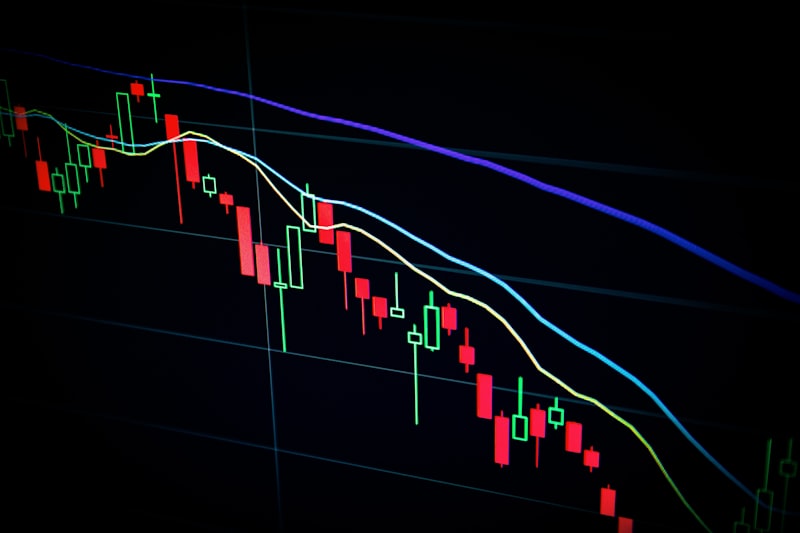
Forex and futures prop firms both let you trade far more capital than most traders have on their own, but the two run on different markets, platforms, rules and costs. Choosing between them is less about which is "better" and more about which fits how you already trade.
Market structure and hours
Spot forex trades nearly 24 hours a day, five days a week, across the Asian, London and New York sessions. That suits traders with irregular schedules or those who specialise in one session. Forex prop accounts are usually CFD-based and priced by the firm's liquidity provider, so there's no central exchange.
Futures trade on regulated exchanges such as the CME. Equity index futures like ES and NQ also trade nearly around the clock, but liquidity is concentrated in the US cash session, and there's a short daily maintenance break. Prices and volume are centralised, which makes order flow tools far more useful. See our futures primer for contract details.
How the evaluations differ
- Forex firms often use two-step evaluations with static or daily-reset drawdowns, one-time fees, and profit targets around 8–10% then 5%.
- Futures firms usually use one-step evaluations with an end-of-day trailing drawdown, a monthly subscription fee, and an activation fee once you pass.
The trailing drawdown is the biggest adjustment for forex traders moving to futures. Our trailing vs static drawdowns guide explains why it changes how you manage winners.
Instruments and leverage
Forex accounts typically offer dozens of currency pairs plus metals, indices and sometimes crypto CFDs, with leverage set by the firm. Position size is in lots.
Futures leverage comes from the contract itself. Size is in contracts, each with a fixed dollar value per tick: one ES point is $50, one NQ point is $20. Micro contracts at one-tenth the size make precise sizing possible on small accounts. Firms cap the number of contracts per account instead of setting leverage.
Costs to compare
- Fees: forex firms usually charge a one-time fee, often refundable after your first payout. Futures firms often charge monthly until you pass, plus activation. Compare the total expected cost to funding, not the headline price.
- Trading costs: forex costs come from spreads plus commission per lot. Futures charge a fixed commission per contract per side, and spreads on major contracts are usually one tick.
- Data fees: some futures firms pass through exchange data fees.
Rules that differ
- News trading: restrictions are common at forex firms and less common at futures firms, though some require being flat around major reports.
- Overnight and weekend holding: many futures firms require you to be flat by the afternoon close; forex firms vary.
- Consistency rules: common at futures firms for payouts; increasingly common at forex firms too.
Payouts
Forex firms often pay on a fixed cycle, such as every 14 days, sometimes after a minimum number of days. Futures firms often require a set number of winning days and a consistency check before each payout, and some cap early withdrawals. Read our guide to how prop firm payouts work.
Which fits your trading style?
Forex is likely the better fit if you trade multiple currency pairs, hold positions overnight or over several days, prefer static drawdowns, or trade outside US hours.
Futures is likely the better fit if you focus on one liquid market such as an index, trade mainly during the US session, use order flow or volume tools, and are comfortable managing an end-of-day trailing drawdown.
Many experienced funded traders hold both and treat them as complementary. You can filter firms by market on our firm finder.
FAQ
Is futures trading harder to pass? Not necessarily, but the trailing drawdown punishes giving back open profit, which catches many forex traders out at first.
Which is cheaper? It depends on how long you take to pass. A monthly futures subscription is cheap if you pass quickly and expensive if you don't.
Can I trade gold in both? Yes. Gold is available as a CFD at most forex firms and as GC or MGC futures at futures firms.

Don’t Miss the Next Great Deal
Get exclusive prop firm deals, important rule changes, and market updates in your inbox.